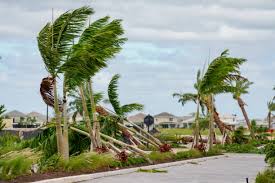

As a resident of Florida, hurricanes are a part of life that requires careful preparation and planning. While the Sunshine State offers beautiful weather most of the year, the hurricane season, which runs from June 1 to November 30, can bring significant challenges. Preparing in advance can help ensure your safety and minimize damage to your property. Here are some essential tips to help you get ready for hurricane season.
Understanding Your Risks
Know Your Zone
Florida’s geography means that different areas face varying levels of risk from hurricanes. It’s crucial to know your evacuation zone, which is determined by your proximity to the coast and the likelihood of storm surge. You can find this information on your local county’s emergency management website.
Assess Your Home’s Vulnerability
Evaluate your home’s structural integrity, especially if you live in a coastal area. Consider investing in storm shutters, reinforcing garage doors, and ensuring your roof is secure. These measures can significantly reduce the risk of damage during a storm.
Building an Emergency Kit
Essential Supplies
An emergency kit is a must-have for hurricane preparedness. It should include:
- Non-perishable food and water for at least three days
- Flashlights and extra batteries
- First aid supplies
- Medications and personal hygiene items
- Important documents in a waterproof container
- Cash, as ATMs may not be operational
Communication Tools
Ensure you have a battery-powered or hand-crank radio to receive emergency updates. Keep your cell phone charged and consider having a portable charger on hand.
Creating a Family Plan
Evacuation Plan
Develop a clear evacuation plan that includes:
- A designated meeting place
- Routes to the nearest shelter
- Arrangements for pets
Communication Strategy
Establish a communication plan with family members. Decide on a primary contact outside the affected area who can relay information to other family members.
Protecting Your Property
Insurance Review
Review your homeowner’s insurance policy to ensure it covers hurricane-related damage. Consider flood insurance, as standard policies typically do not cover flood damage.
Securing Outdoor Items
Bring in or secure outdoor furniture, decorations, and other items that could become projectiles in high winds.
Staying Informed
Monitor Weather Updates
Stay informed by monitoring local news and weather updates. Pay attention to advisories from the National Hurricane Center and local authorities.
Follow Official Guidance
Always follow evacuation orders and other instructions from local officials. Your safety is the top priority.
Preparing for a hurricane involves careful planning and proactive measures. By understanding your risks, building an emergency kit, creating a family plan, and protecting your property, you can help ensure your safety and minimize potential damage. For more information on hurricane preparedness and to review your insurance needs, feel free to reach out to our agency. We’re here to help you stay safe and secure during hurricane season.